Skip to content

Assurance of Salvation

A guided introduction through Theocast's Reformed perspective. Start with the question, explore the teaching, and take the reflections at your own pace.

  1. What Grounds Assurance?

    Where can my confidence rest when my record gives me reasons to doubt?

    Theocast locates assurance in what Christ has accomplished for sinners. His sacrifice and righteousness stand outside the changing record of your week. Faith receives him; it does not supply a second achievement that makes his work sufficient. In this episode, Jon turns to Christ’s completed offering in Hebrews 10 and the promise that those being sanctified have been perfected by it. The distinction matters: growth continues, but acceptance is not waiting for growth to reach an invisible threshold. Begin by asking what Christ has done before asking how well you are doing.

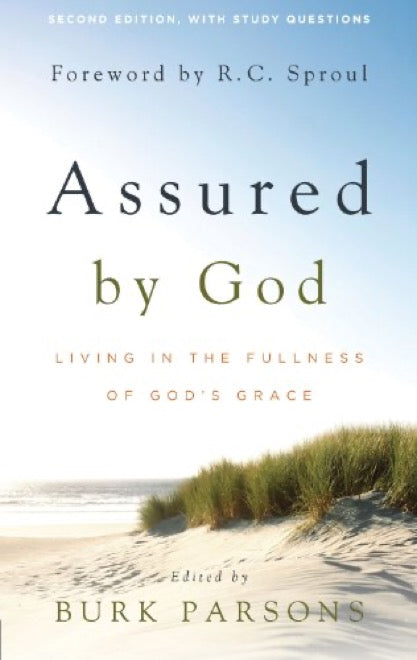
    Based on Recovering a Supernatural Assurance.

    Assurance
    Confidence in God’s saving promise in Christ.
    Justification
    God’s declaration that a sinner is righteous on account of Christ, received through faith.

    Listen or Read

    For Reflection

    1. When you doubt, what do you usually look at first: Christ’s promise or your recent performance?
    2. How does a completed sacrifice differ from a spiritual score you must keep improving?

  2. When You Don’t Feel Saved

    What if my feelings do not match what I believe?

    A quiet week, a distracted prayer, or a season of sorrow can make faith feel uncertain. Theocast asks whether the answer is to keep measuring those experiences or to consider the one faith trusts. In this conversation, the hosts trace God’s promises and their fulfillment in Jesus. The reliability of the Savior does not rise and fall with the intensity of the believer’s emotions. Feelings are part of life and deserve honest attention, but they cannot carry the weight of proving Christ’s trustworthiness. Bring your doubts into the open and return to what God has promised.

    Based on Is My Faith Legit?.

    Object of Faith
    The one trusted: Jesus Christ, rather than the strength of your trusting.
    Promise
    God’s word concerning what he will do, fulfilled in Christ.

    Listen or Read

    For Reflection

    1. Which feelings have you treated as evidence that God has changed his mind about you?
    2. What promise from the conversation could you bring into a discussion with a trusted pastor or friend?
  3. When Sin Persists

    Does ongoing struggle mean that I do not belong to Christ?

    The Christian life includes a real conflict with sin. In this conversation, Theocast holds that conflict together with the believer’s standing in Christ. Sanctification is promised, but its course is not always the steady improvement we imagine. That is no excuse to protect sin or refuse correction. It is a reason to confess honestly and seek help without treating every failure as proof that Christ has abandoned you. The hosts point struggling believers to their sympathetic high priest. His mercy gives them somewhere to go with their weakness, and the church gives them people with whom to face it.

    Based on Saints Who Still Sin.

    Sanctification
    God’s continuing work of making believers holy.
    Repentance
    Turning from sin toward God, including honestly acknowledging the need for mercy and help.

    Listen or Read

    For Reflection

    1. How would confidence in Christ change the way you confess a recurring sin?
    2. Who in your local church could help you face that struggle honestly?
  4. Read the Warnings in Context

    How do serious warnings belong alongside promises of assurance?

    Scripture’s warnings deserve attention, and this conversation includes real disagreement about their pastoral use. Theocast’s hosts distinguish defiant rejection of God’s word from the struggles of weak believers. They also ask readers to hear a warning within its paragraph, the whole letter, and the gospel it proclaims. In discussing Hebrews 12, they connect the pursuit of holiness with God’s fatherly discipline and the call to look to Jesus. The aim is not to soften every warning into reassurance. It is to understand whom a passage addresses, what it warns against, and how it calls its hearers to respond.

    Based on Assurance of Salvation (w/ Room for Nuance).

    Context
    The surrounding argument that helps explain what a passage is saying.
    Fatherly Discipline
    God’s correction of his children for their good, discussed in Hebrews 12.

    Listen or Read

    For Reflection

    1. Choose one warning discussed in the episode. Who is addressed, and what response is called for?
    2. How does reading the surrounding promises and commands affect your understanding of that warning?
  5. Obedience and Self-Examination

    How can I take obedience seriously without making it the basis of my acceptance?

    Theocast does not dismiss obedience or all self-examination. In this discussion, the hosts distinguish honest attention to sin from a constant search inside yourself for a reason God should accept you. Obedience matters because God’s commands are good and your neighbors need your love. Correction matters when sin harms that life together. Neither becomes a replacement for Christ’s righteousness. This distinction gives examination a purpose: name what needs repentance and help, then return to Christ and the people you are called to serve. It need not become an endless attempt to calculate whether you have done enough.

    Based on Assurance of Salvation (w/ Room for Nuance).

    Fruit of Faith
    The good works that flow from faith, rather than purchase acceptance with God.
    Self-Examination
    Honest attention to one’s beliefs and conduct, directed toward repentance rather than endless self-measurement.

    Listen or Read

    For Reflection

    1. Is your self-examination helping you confess and love others, or keeping your attention fixed on your own standing?
    2. What concrete act of love could follow from resting in Christ’s acceptance this week?

Continue Your Study

Explore Lordship Salvation

The Lordship Salvation guide applies the foundation from this path to faith, obedience, examination, and the believer's confidence in Christ.

Explore the guide